Brick & Stone Repointing
Specialist repointing contractors for brickwork, stone, chimneys and whole houses — in lime or cement mortar, matched to your building — across Dublin, Meath and beyond. Repointing is what we do most, and we do it right.
Repointing done the right way
Repointing — raking out the old, failed mortar between your bricks or stone and replacing it with fresh mortar — is one of the most important jobs you can do for a building. Done well, it keeps water out, protects the brick and stone, and can transform how a wall looks. Done badly, with the wrong mortar or a shallow, rushed finish, it traps damp and causes more harm than good.
Brick and stone repointing is the work we do most, day in, day out, across Dublin and Meath. As established repointing contractors with 20+ years at it, we take on everything from a tired front wall or a weathered chimney to a garden wall or a full house repointing — raking the joints out to a proper depth, using the right mortar for your building, and finishing it neatly so it lasts for decades.
Got old pebbledash or cement render to come off first? We strip that back and repoint the brick or stone underneath in one go — the most cost-effective way to do both.
Get a free repointing quote →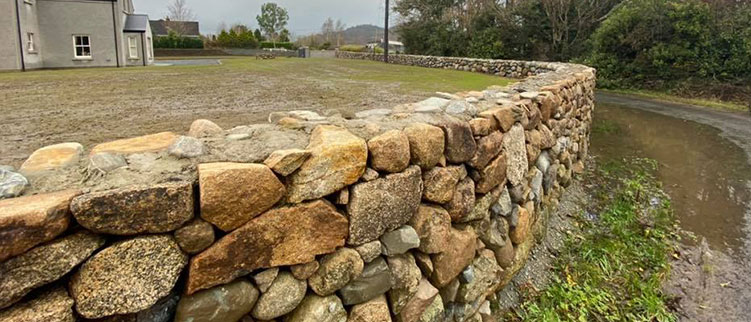
Our repointing services
Brick repointing
Raking out and repointing brickwork on houses, walls and buildings — colour and joint finish matched to the original.
Stone repointing
Repointing rubble and cut-stone walls, cottages and period stone — in breathable lime mortar where it belongs.
House & full-property repointing
Whole elevations or full houses repointed, scaffolded and done properly, with minimal disruption.
Chimney repointing
Chimneys take the worst weather, so their mortar fails first. We repoint at height, re-flaunch and sort flashing too.
Lime mortar repointing
Traditional lime repointing for older and protected buildings, so the walls breathe and the old stone and brick are protected.
Garden & boundary wall repointing
Repointing garden, boundary and feature walls that have gone soft and started shedding mortar.
Lime or cement? We use the right one
Getting the mortar right is the whole job. On older and period properties we use lime mortar — hard cement traps moisture and cracks soft old brick and stone, while lime lets the wall breathe and protects it. On modern brickwork, a properly matched cement mortar is usually the correct choice.
We also match the colour and the joint profile — flush, bucket-handle, recessed or weather-struck — so a repointed wall looks right, not like a patch. That attention to the mortar and the finish is why our repointing lasts and why so much of our work comes from repeat customers and referrals.
Pointing styles — and why the finish matters
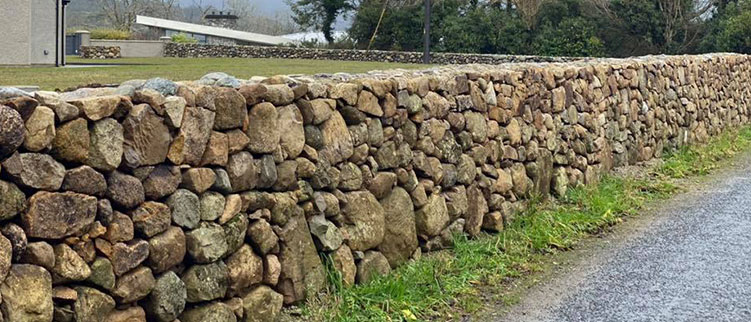
The joint finish isn't just decoration — it decides how the wall sheds water and how much of the stone or brick you actually see. We match the finish to the building, not to habit.
Flush pointing
Mortar finished level with the face of the stone or brick. Flush repointing is the most sympathetic finish on old rubble stone and period brickwork — it sheds water without drawing the eye to the joint.
Bucket-handle (half-round)
Tooled with a rounded jointer so the joint sits slightly concave. It compacts the mortar and throws water off well — the usual choice on modern brickwork.
Recessed
Set back a few millimetres so the stone or brick stands proud. It looks striking and shows off good stone, but on an exposed elevation it can hold water — so it isn't right everywhere.
Weather-struck
The top of the joint pressed back and angled out, so rain runs clear of the face. A traditional, hard-wearing finish on brickwork.
Ribbon / strap pointing
Cement smeared proud across the face of the stone. It traps damp, hides the masonry and damages soft old walls — this is the one we spend most of our time carefully removing.
Colour & aggregate matched
We match the sand and aggregate as well as the profile, so new pointing settles in with the old rather than standing out as a patch.
Pointing stonework vs repointing brickwork
They're related trades but they're not the same job, and treating them the same is where a lot of damage starts. Pointing stonework — rubble, random or cut stone — means working with joints that are wide, irregular and never the same twice. The mortar has to be pressed properly back into the depth of the joint rather than buttered across the face, and on anything old it wants to be lime so the wall can breathe. Get the colour and aggregate right and the repair simply disappears into the wall.
Repointing brickwork is a finer, more disciplined job — narrow, regular joints where any variation in colour or profile shows immediately. Here the mortar is matched to the original and the joint finished consistently across the whole elevation, which is what makes a repointed brick house look right rather than patched.
Brickwork often needs more than pointing. Where frost and trapped damp have blown the faces off, brick restoration means cutting out the spalled bricks and replacing them with matching reclaimed brick — not filling them with mortar and hoping. As stonework contractors we handle both sides of it, so a wall that needs stone repair, brick replacement and repointing is one job with one team rather than three trades.
Get a free quote for your wall →Signs your wall needs repointing
Crumbling or missing mortar
Gaps you can push a key or finger into, or mortar that turns to dust when you touch it.
Damp inside
Damp patches on inside walls often trace back to failed pointing letting water into the wall.
Loose or spalling bricks
Bricks working loose, or faces flaking off, usually mean water has been getting in.
Mortar dust at the base
A line of sandy mortar debris along the bottom of the wall is a clear warning sign.
Not sure? It's cheaper to catch it early — before water damage sets in. Send us a photo for a quick opinion →
What does repointing cost?
It's the first thing everyone asks, and it's fair. Most people are looking for a repointing stone wall cost, or a cost of pointing stonework per square metre — so here's a straight answer: our repointing starts from around €120 per square metre. Most firms won't publish a figure at all. What we won't do is pretend that's the final number, because repointing a low garden wall, a chimney and a full house are three very different jobs, and what we're really pricing is the time the work actually takes. The main things that move it up from there are:
- Area and height — how much wall, and whether it needs scaffolding. Anything above head height costs more to reach.
- Condition of the joints — light surface pointing is quicker than mortar that's washed out deep into the wall.
- Lime or cement — hand-worked lime mortar on a period wall is slower, more skilled work than a modern cement repoint.
- Removing old cement first — raking hard cement out of old stone or brick without damaging it is the slow part, and often the whole point.
- Repoint vs rebuild — loose or bulging sections that need taking down and rebuilding are a bigger job than pointing alone.
As a real example, a recent two-chimney repointing job in Dublin — raked out, repointed, tops rebuilt and crack-stitched — came to €13,500. A small garden-wall repoint is a fraction of that. The only way to get an accurate figure is a proper look at the wall, so we give a clear, itemised quote after a free site visit — you see exactly what you're paying for before any work starts.
Want to understand the pricing first? Read our honest guides on what stone repointing costs in Ireland and why lime repointing costs what it does.
Get a free, itemised quote →How it works
Free site visit
We call out, look at the brick or stone, and talk through what it actually needs.
Clear quote
An honest, itemised price for the repointing — no obligation, no pressure.
The work
Joints raked to depth, the right mortar, neatly finished by our own team.
Clean finish
We leave the wall looking right and the site clean and tidy.

What our customers say
"I can not recommend Arthur and his team highly enough, they started on the agreed date and nothing was a problem after that... 10/10 in everything they done for me, very professional team of guys."
Alan Bow · Google review"I would like to thank this firm for the stonework on a large project. Both the work and the employees were of the highest quality and did more than expected of them. I would highly recommend this company."
Kimmage Hardware · Google reviewRepointing — your questions answered
What is flush pointing, and is it right for my wall?
Flush pointing finishes the mortar level with the face of the stone or brick, rather than standing proud of it or set back behind it. On old rubble stone and period brickwork it's usually the right choice — it sheds water properly and keeps the wall looking like itself instead of drawing the eye to the joints. We'll advise on the finish that suits your building, whether that's flush, bucket-handle, recessed or weather-struck.
Do you do brick restoration as well as repointing?
Yes. Where frost or trapped damp has blown the faces off the bricks, pointing alone won't fix it — the spalled bricks need cutting out and replacing with matching reclaimed brick. We do that alongside the repointing, so stone repair, brick replacement and pointing are all handled by one team on one visit.
How much does repointing cost in Ireland?
The cost of repointing depends on the area to be done, its height and access, the condition of the joints, and whether it needs lime or cement mortar. Rather than guess, we call out for a free site visit and give you a clear, itemised price so you know exactly what you're paying before any work starts.
How much does it cost to repoint a stone wall?
There's no fixed rate — the cost of repointing a stone wall depends on its size and height, how deep the old mortar has failed, whether it needs breathable lime mortar, and whether any sections need rebuilding as well as pointing. A low garden wall is a small job; a tall gable or a full house is a much bigger one. We give an itemised price after a free site visit, so you know exactly what you're paying. For a fuller breakdown, see our stone repointing cost guide.
How do I know if my brickwork or stone needs repointing?
Tell-tale signs are crumbling or missing mortar between the bricks or stones, gaps you can push a finger or key into, mortar dust at the base of the wall, damp patches inside, or loose bricks. Left too long, water gets into the wall and the damage — and the cost — grows. If you're not sure, we'll take a look and tell you honestly whether it needs doing.
Should repointing be done in lime or cement mortar?
On older and period properties, lime mortar is almost always the right choice. Hard cement traps moisture and damages soft old brick and stone over time, causing them to crack and spall. Lime lets the wall breathe, protects the masonry and lasts far longer. On modern brickwork a matched cement mortar is usually fine. We advise the right one for your building.
Do you repoint chimneys?
Yes. Chimney repointing is one of the most common jobs we do — chimneys take the worst of the weather, so their mortar fails first. We repoint the brick or stone, and can also re-flaunch and sort flashing at the same time, working safely at height.
How long does repointing last?
Done properly — joints raked out to a good depth, the right mortar mix, and correctly finished — repointing should last for decades. The most common reason repointing fails early is the wrong mortar or a rushed, shallow job, which is exactly what we avoid.
Get my free quote
Your name and number is all we need — add a photo if handy. We’ll call you back today.
or call 086 066 6591 · WhatsApp · ★ Rated 5.0
We use the details you send to assess and respond to your enquiry. See our Privacy & Cookies page.
Need brickwork or stone repointed?
Send us a photo or tell us what you've got — we'll arrange a free site visit and an honest, itemised quote. No obligation.